Navigating Korean Import Regulations: A Guide for Indian Businesses
Category : |
Sub Category : Posted on 2023-10-30 21:24:53
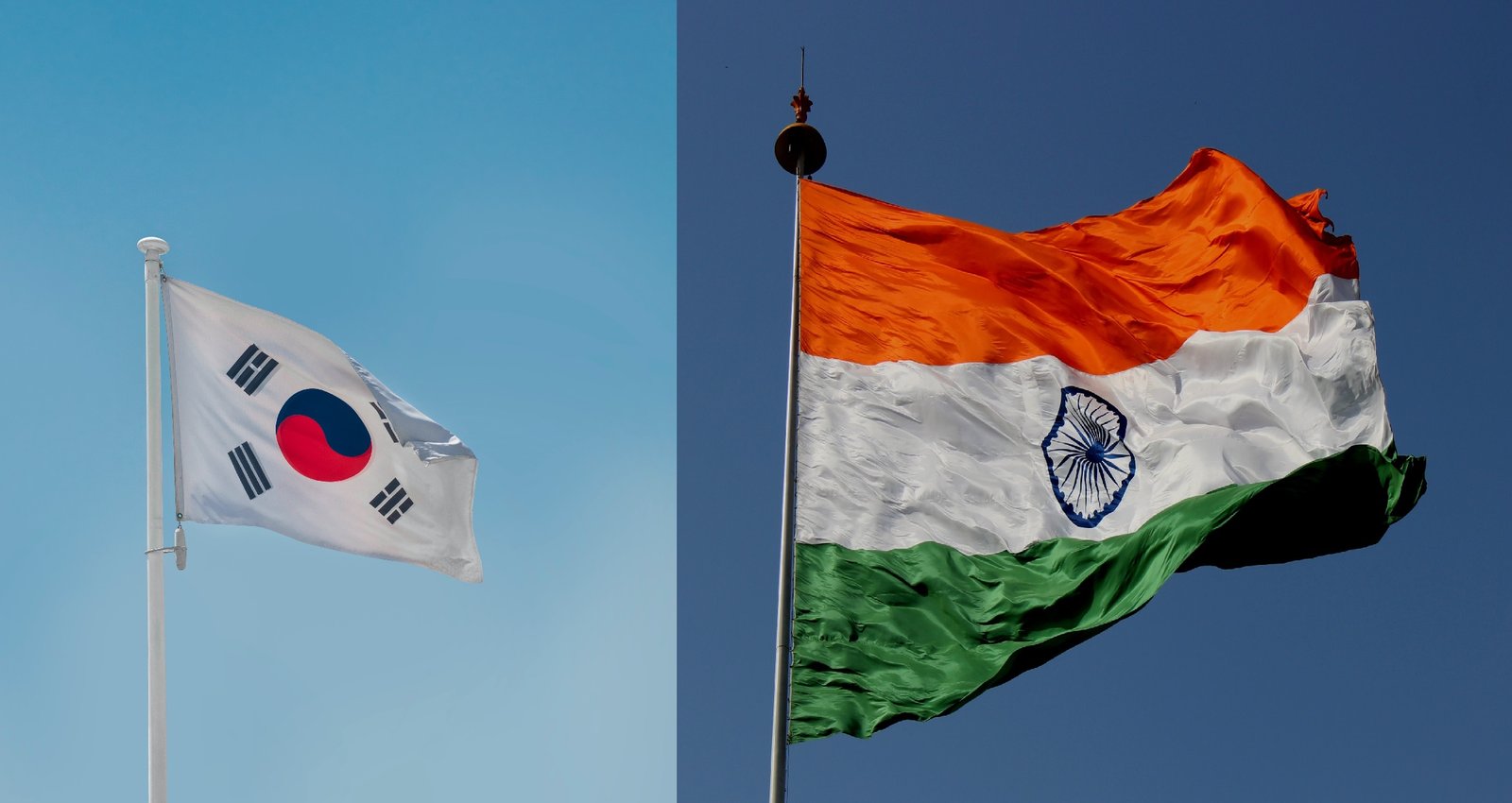
Introduction: Trade between India and South Korea has witnessed significant growth in recent years, with Korean consumers showing a growing interest in quality products from India. However, before Indian businesses can tap into this dynamic market, it is crucial to understand and comply with Korean import regulations. In this blog post, we will explore the key regulations and requirements that Indian exporters need to be aware of when doing business with South Korea. 1. Understanding Customs Procedures: When exporting goods to South Korea, Indian businesses must be prepared to navigate the country's customs procedures. This involves understanding the documentation required, such as commercial invoices, packing lists, and the Bill of Lading or Airway Bill. It is recommended to engage a freight forwarder or shipping agent who is experienced in handling imports to Korea. 2. Complying with Product Safety Standards: Korea has rigorous product safety standards, and it is essential for Indian businesses exporting to this market to ensure their products meet these requirements. Verification of Conformity (VOC) certificates may be required, demonstrating compliance with specific Korean safety standards. It is advisable to consult relevant Korean agencies or engage a local representative to assist with compliance if necessary. 3. Labelling and Packaging Regulations: Korean import regulations also emphasize labeling and packaging requirements. Labels on imported products must include essential information such as product origin, ingredients, safety warnings, and any necessary product certifications. It is crucial to ensure that all labels are accurate, in Korean language, and meet the specific regulatory criteria. 4. Certifications and Testing: Certain products may require additional certifications or testing to meet Korean import regulations. For example, electrical appliances, cosmetics, and food products often require testing for safety and quality assurance. Indian businesses must ensure that their products meet these standards and carry the necessary certifications before exporting to Korea. 5. Regulation and Control for Restricted and Prohibited Goods: South Korea imposes restrictions on importing certain goods, ranging from agricultural products to chemicals and electronics. It is crucial for Indian exporters to thoroughly research and understand the restricted and prohibited items to avoid any compliance issues. Partnering with a local distributor or seeking advice from relevant government agencies can help in navigating these regulations. Conclusion: Entering the Korean market can be an exciting opportunity for Indian businesses, but it is essential to abide by the country's import regulations. Familiarizing oneself with customs procedures, meeting product safety and packaging requirements, obtaining necessary certifications, and avoiding restricted or prohibited goods are key steps to ensuring a smooth trading experience. By aligning with Korean import regulations, Indian exporters can establish a strong foothold in this lucrative market and cater to the growing demands of Korean consumers. Want to know more? Don't forget to read: http://www.tinyfed.com Here is the following website to check: http://www.droope.org


