Navigating Indian Import Regulations for Korean Internet of Things Technology
Category : |
Sub Category : Posted on 2023-10-30 21:24:53
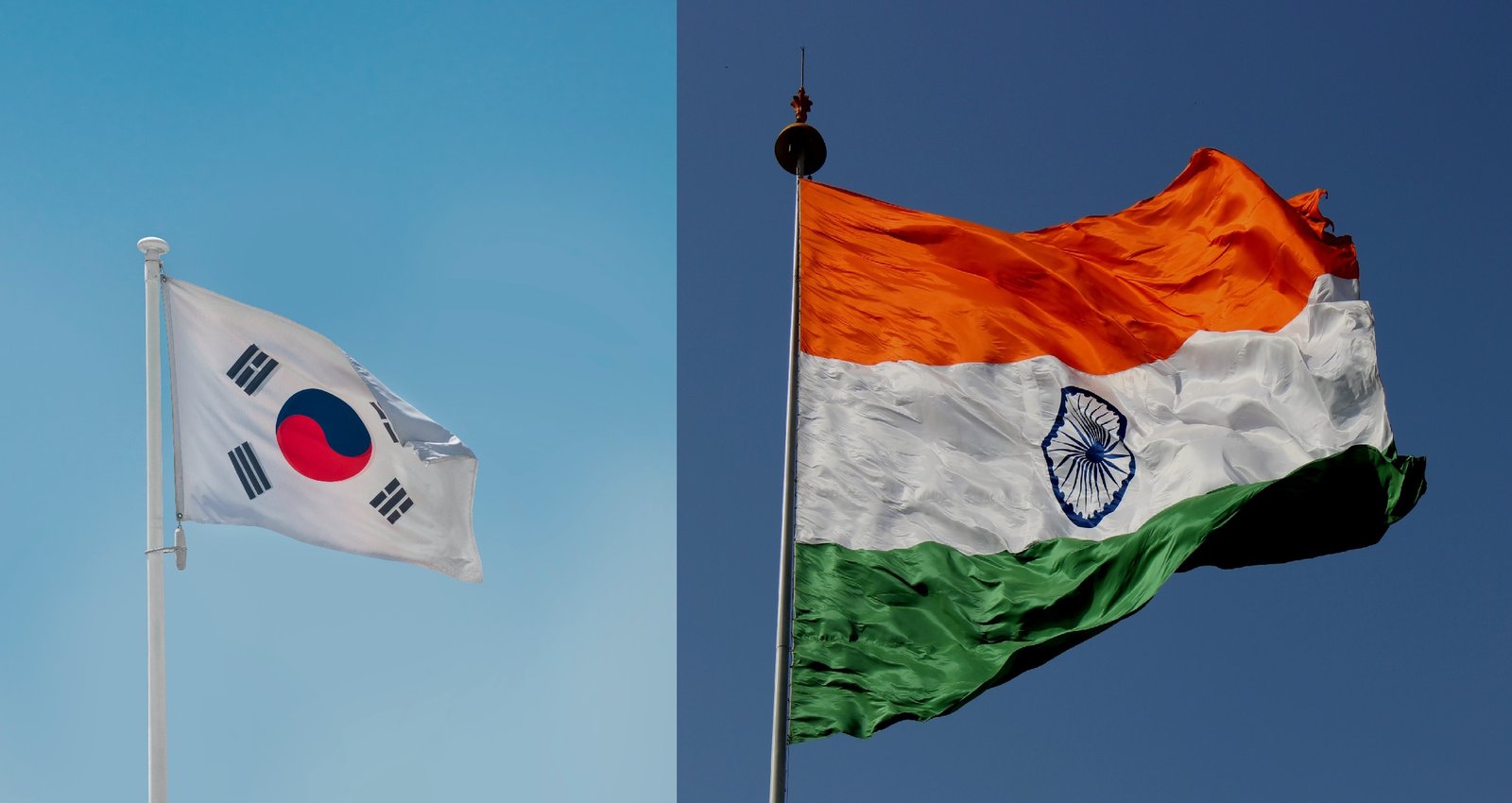
Introduction: In today's rapidly advancing world, the Internet of Things (IoT) has emerged as a game-changer, promising innovative solutions and unparalleled connectivity. South Korea, a global leader in technology, has been at the forefront of developing groundbreaking IoT devices and solutions. As businesses in India seek to leverage the potential of IoT technology from Korea, it's important to understand the import regulations governing such products. In this blog post, we will explore the key aspects of Indian import regulations for Korean IoT technology. 1. Import licenses and mandatory certifications: Importing IoT technology from Korea to India involves complying with various regulatory frameworks. The first step is obtaining the necessary import licenses, which are essential for legal importation. Additionally, specific certifications may be mandatory, depending on the type of IoT products being imported. For instance, wireless devices like Wi-Fi enabled sensors or smart home appliances may require the Wireless Planning and Coordination (WPC) certification, while products involving radio frequency technology may need approval from the Department of Telecommunications (DoT). 2. Bureau of Indian Standards (BIS) certification: BIS certification is a crucial requirement for imported electrical and electronic products, including many IoT devices. It ensures that products meet Indian quality and safety standards, protecting consumers and promoting fair trade. Importers must identify the relevant Indian Standard (IS) for their IoT products and obtain BIS certification accordingly. The process involves testing samples at approved laboratories and undergoing a factory inspection. 3. Compliance with radio frequency regulations: IoT devices that utilize wireless communication, such as Bluetooth or RFID technology, must comply with India's radio frequency regulations. These regulations govern the frequency bands that can be used by such devices, ensuring smooth coexistence with other wireless devices. Importers should ensure that their Korean IoT products adhere to these regulations to avoid any interference issues. 4. Customs duties and tariffs: Importing IoT technology from Korea to India also involves considering customs duties and tariffs. These costs vary depending on factors such as the product category, value, and applicable trade agreements between the two countries. Importers must be aware of these costs and factor them into their budget planning. 5. Intellectual property rights (IPR) considerations: Respecting intellectual property rights is vital when dealing with imports, including IoT technology. Importers should ensure that the products they are importing from Korea do not infringe on any patents, trademarks, or copyrights. Conducting a thorough background check and partnering with trusted suppliers can help mitigate any potential IPR risks. Conclusion: As businesses in India embrace the potential of IoT technology from Korea, understanding the intricacies of import regulations becomes paramount. From obtaining the necessary import licenses and certifications to complying with radio frequency regulations and considering customs duties, there are several aspects to navigate. By staying informed and partnering with knowledgeable experts, businesses can successfully import and integrate Korean IoT technology while adhering to Indian regulations.


